
Exocrine pancreatic insufficiency (EPI)
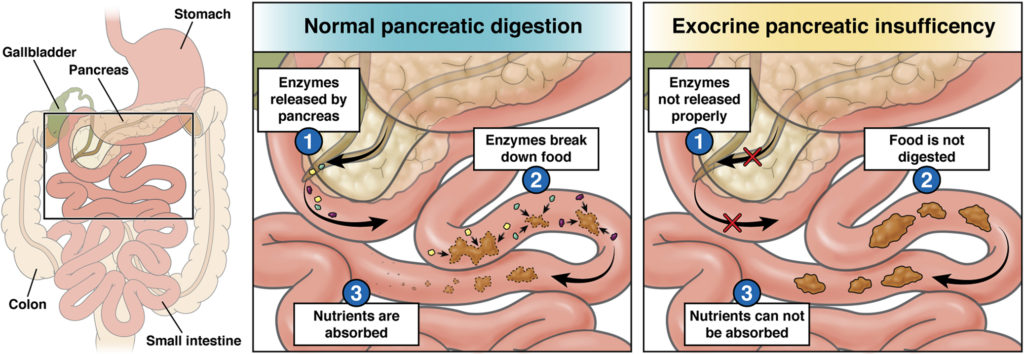
Exocrine pancreatic insufficiency (EPI) is caused by a problem with the pancreas, an organ that plays an important role in digestion. EPI can be difficult to recognize, but once it’s identified, it
can be treated.
Irritable bowel syndrome (IBS)

Irritable bowel syndrome (IBS) is one of the common disorders of the large intestine. IBS symptoms can include stomach pain, diarrhea, stomach bloating, constipation and cramping.
Clostridioides difficile (C. diff)

Clostridioides difficile, or C. diff, is a bacterium that can cause gastrointestinal symptoms, like nausea, watery diarrhea, stomach pain and stomach cramps that may be severe.
Diverticulitis

Diverticulitis is when pockets form in the colon wall and become infected or swollen causing pain, cramping, diarrhea, constipation or fever.
Diarrhea
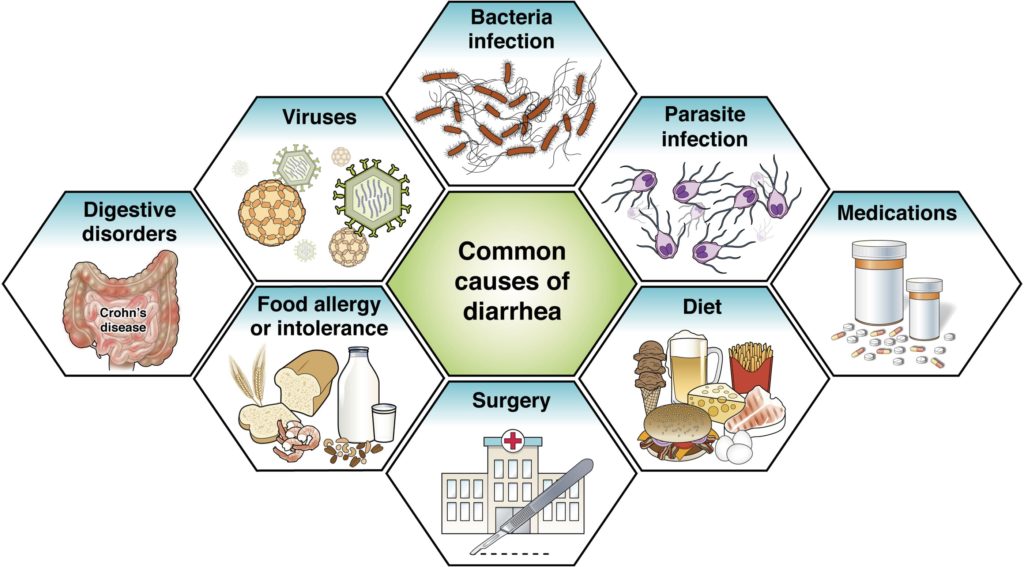
Diarrhea happens when you have watery, loose stools three or more times a day.
Celiac disease: Symptoms, gluten‑free diet, & treatment
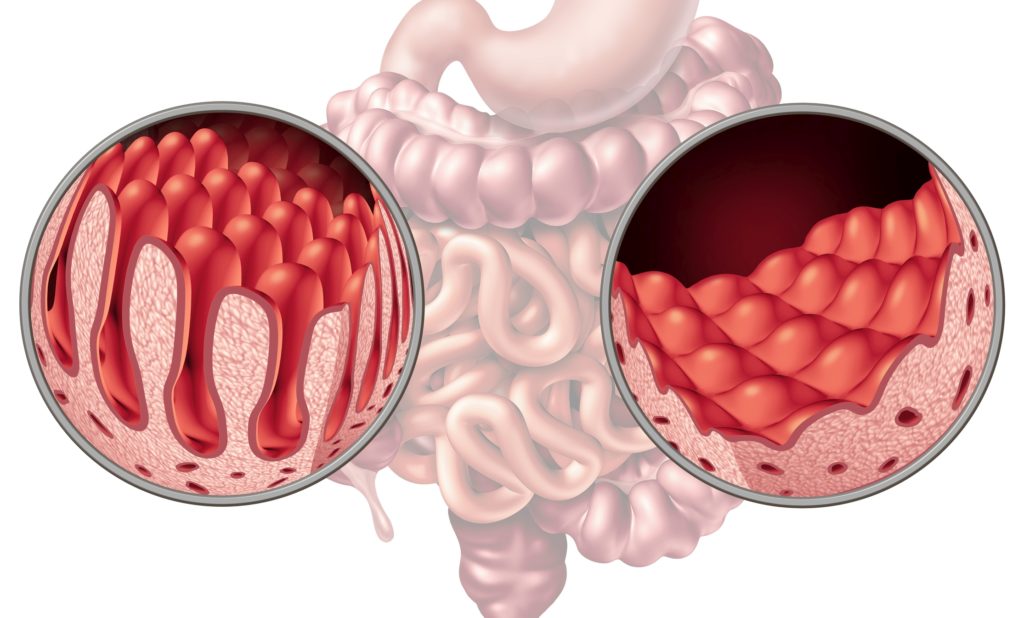
Celiac disease is when a person can’t eat gluten. Some symptoms are gas, stomach bloating and pain, diarrhea and constipation.
Crohn’s disease
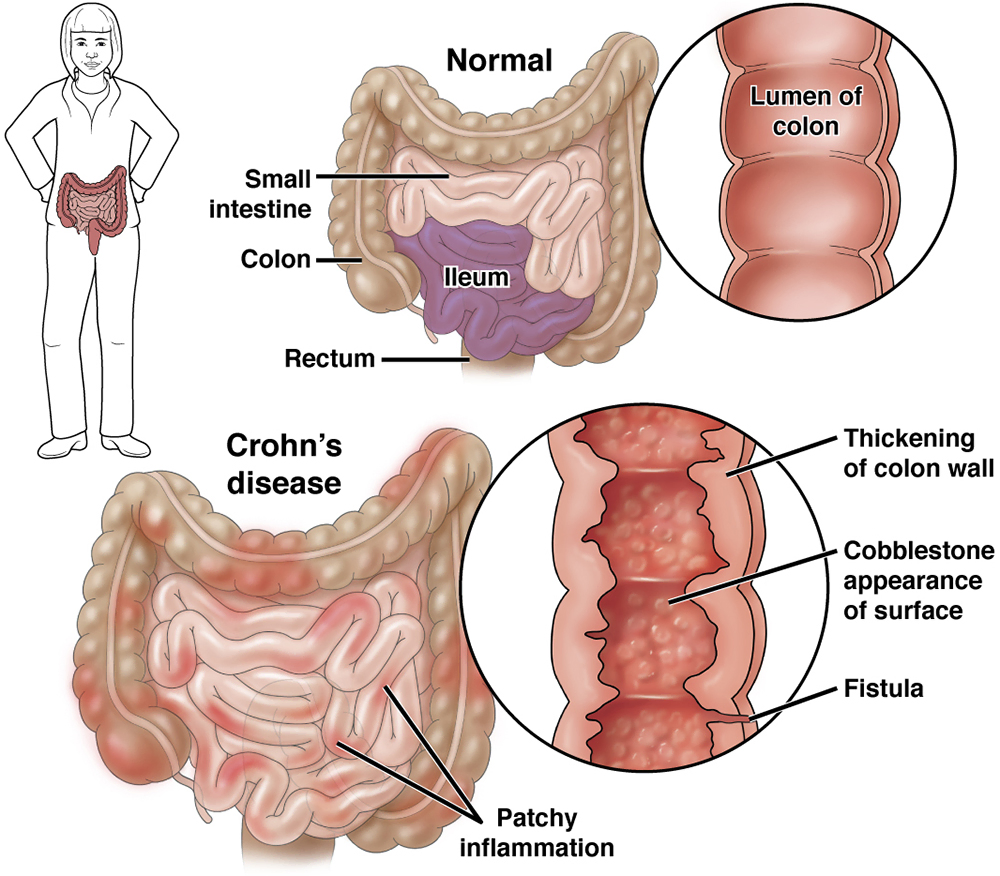
Crohn’s disease is a type of inflammatory bowel disease (IBD). Symptoms include inflammation in the digestive tract, belly pain and cramps, diarrhea, weight loss, and rectal bleeding
Inflammatory bowel disease (IBD)
Inflammatory bowel disease, or IBD, is characterized by chronic inflammation in the digestive tract. The two main types are ulcerative colitis and Crohn’s disease.