
Anal cancer: Screening, symptoms, prevention, and what to know

Anal cancer is often linked to HPV and can be prevented or caught early through screening; this page explains symptoms, who is at higher risk, available screening tests, and steps to lower your risk.
Inflammatory bowel disease (IBD): What you need to know about hospitalization

Hospitalization for IBD is not common, but sometimes needed when symptoms get very severe, complications arise, or there are nutritional concerns.
Constipation: Refractory

Constipation is when you have infrequent or hard-to-pass bowel movements, have hard stools, or feel like your bowel movements are incomplete.
Biosimilars: Glossary
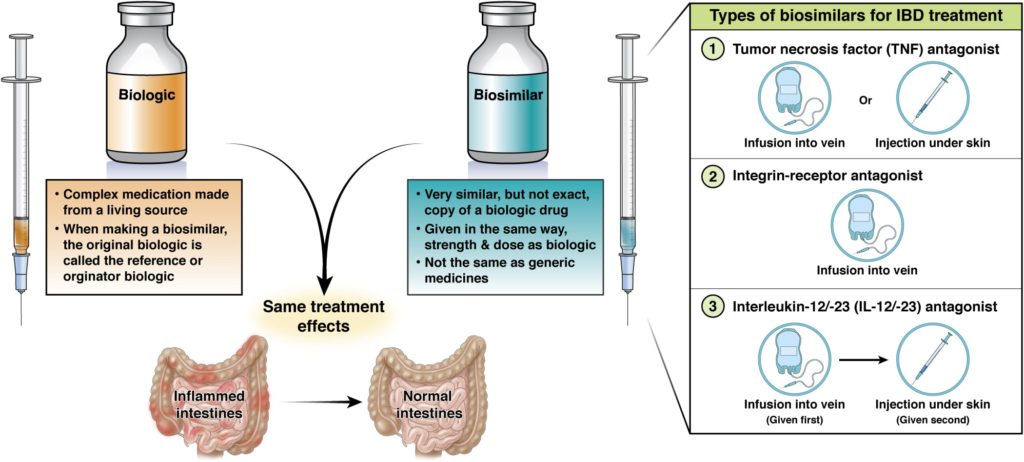
When talking to your gastroenterologist about how biologics and biosimilars work, you may have questions about what some of the words mean.
Biosimilars: Frequently asked questions

Biosimilars are a type of biologic. Biologics and biosimilars can help patients with moderate to severe IBD.
Inflammatory bowel disease (IBD): Understanding clinical research trials
Learn more about what to expect in an IBD clinical trial.
Barrett’s esophagus: Understanding surveillance guidelines
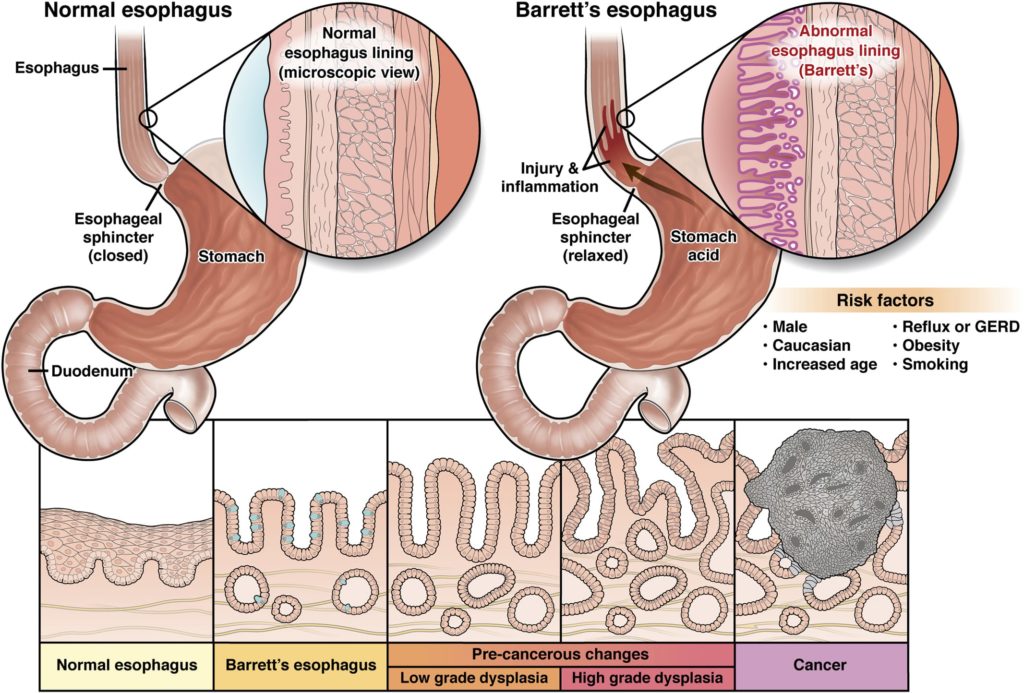
Barrett’s esophagus is when the cells lining the esophagus — the tube connecting the mouth to the stomach — change into the cells lining the intestine. The test for Barrett’s is an endoscopy.
C. diff infection: Cleaning to prevent spreading

Clostridioides difficile, or C. diff, is a bacterium that can cause gastrointestinal symptoms. C. diff is very contagious. Washing your hands is the best way to stop the spread.
Eosinophilic esophagitis (EoE): From teen to adult care

Eosinophilic esophagitis (EoE) is when white blood cells build up in the esophagus and can result in trouble swallowing, heartburn and reflux. As a teen or adolescent with EoE, it’s time to learn how to become comfortable making your own health care decisions.
Celiac disease: Who should be tested
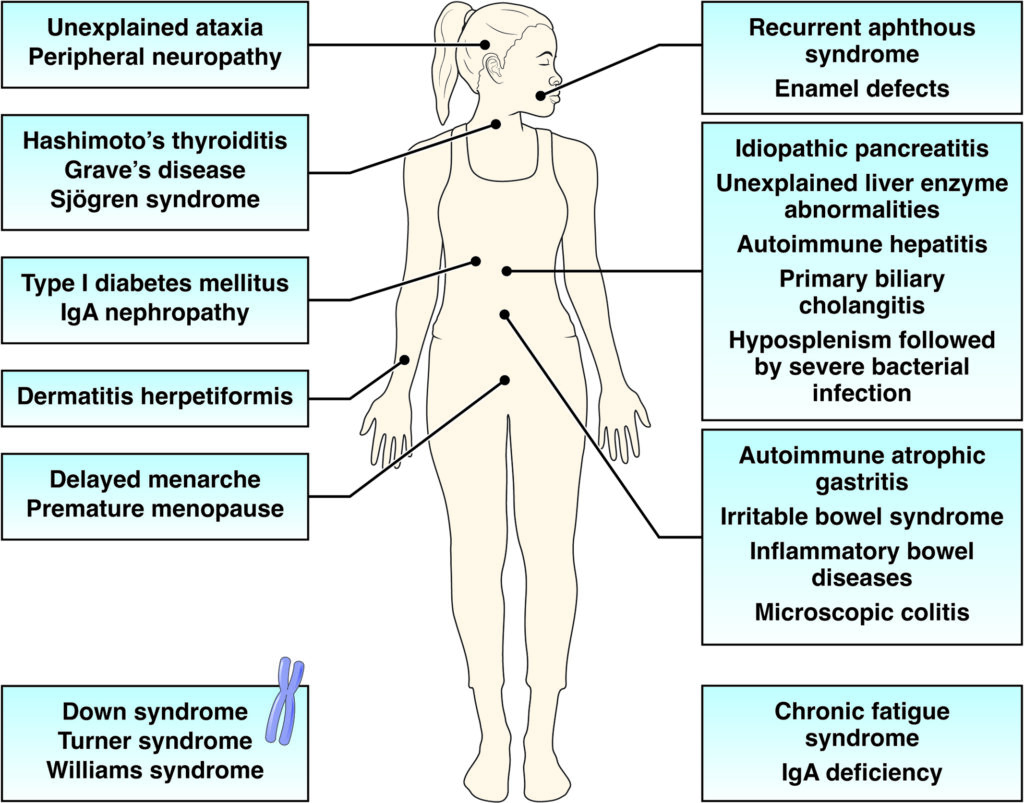
If you’ve been diagnosed with a condition related to celiac disease or have other risk factors, does that mean you should be tested for celiac disease?