
Eosinophilic esophagitis (EoE): From teen to adult care

Eosinophilic esophagitis (EoE) is when white blood cells build up in the esophagus and can result in trouble swallowing, heartburn and reflux. As a teen or adolescent with EoE, it’s time to learn how to become comfortable making your own health care decisions.
Celiac disease: Who should be tested
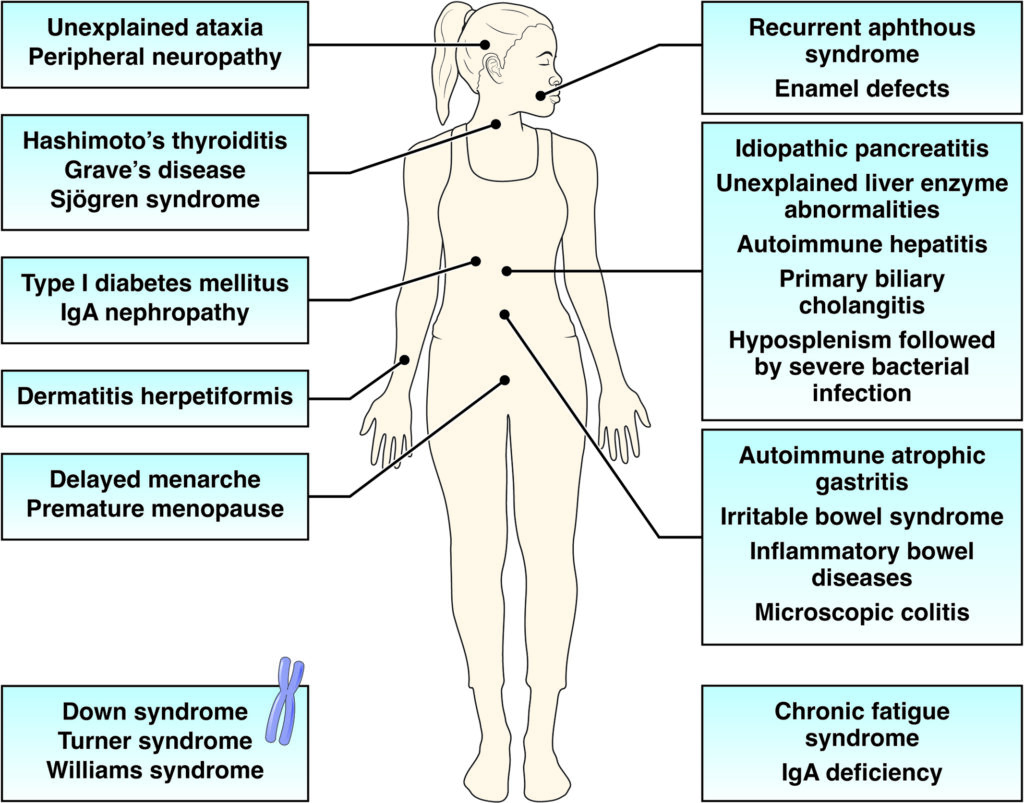
If you’ve been diagnosed with a condition related to celiac disease or have other risk factors, does that mean you should be tested for celiac disease?
Obesity: Learn the facts beyond the scale for Hispanic Americans

Obesity is a disease that impacts some ethnic and racial groups more than others, including nearly half of Hispanic American adults.
Obesity: Advocacy toolkit
Iron deficiency anemia
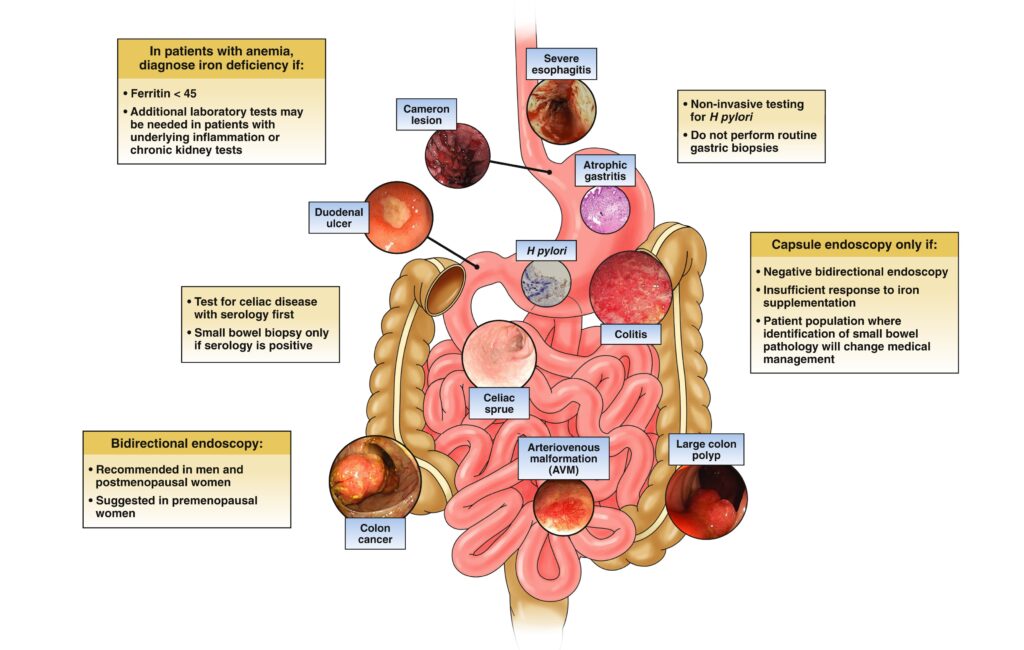
Iron deficiency anemia is the most common type of anemia that happens when you don’t have enough iron to make healthy red blood cells.
Alpha-gal syndrome symptoms: GI signs, diet, & treatment

Alpha-gal syndrome is an allergy that causes your body to respond badly after eating meat from mammals and can cause GI or skin symptoms.
Short bowel syndrome (SBS): From teen to adult care

Short bowel syndrome (SBS) is a rare disorder that happens when you don’t have enough small intestine, or it doesn’t work well. As a teen or adolescent with SBS, it’s time to learn how to become comfortable making your own health care decisions.
Trust Your Gut
Obesity
Obesity is a chronic, complex, and treatable disease. It is associated with having an excess amount of body fat. Obesity is not a choice. Genetic, environmental, and social factors play a role in obesity.
Obesity: MASLD and lifestyle changes – health-promoting habits for weight management
Obesity is a chronic, complex, and treatable disease. It is associated with having an excess amount of body fat. Obesity is not a choice. Genetic, environmental, and social factors play a role in obesity.