
Rectal cancer in younger adults: Symptoms, risk, and screening

Rectal cancer is rising in adults under 50 but remains rare. Learn symptoms, risk factors, and when to talk to your doctor or consider screening.
Colonic transit testing

Colonic transit testing helps diagnose slow-transit constipation or other conditions that affect bowel movements.
Constipation: Refractory
Constipation is when you have infrequent or hard-to-pass bowel movements, have hard stools, or feel like your bowel movements are incomplete.
Inflammatory bowel disease (IBD): Staying hydrated
Taking in enough fluids is important for patients with inflammatory bowel disease, or IBD, who are especially at risk for dehydration.
Small intestinal bacterial overgrowth (SIBO): Managing with diet

Having more bacteria than usual in your small intestine can cause uncomfortable symptoms like gas. Managing your diet can help.
Celiac disease: Who should be tested
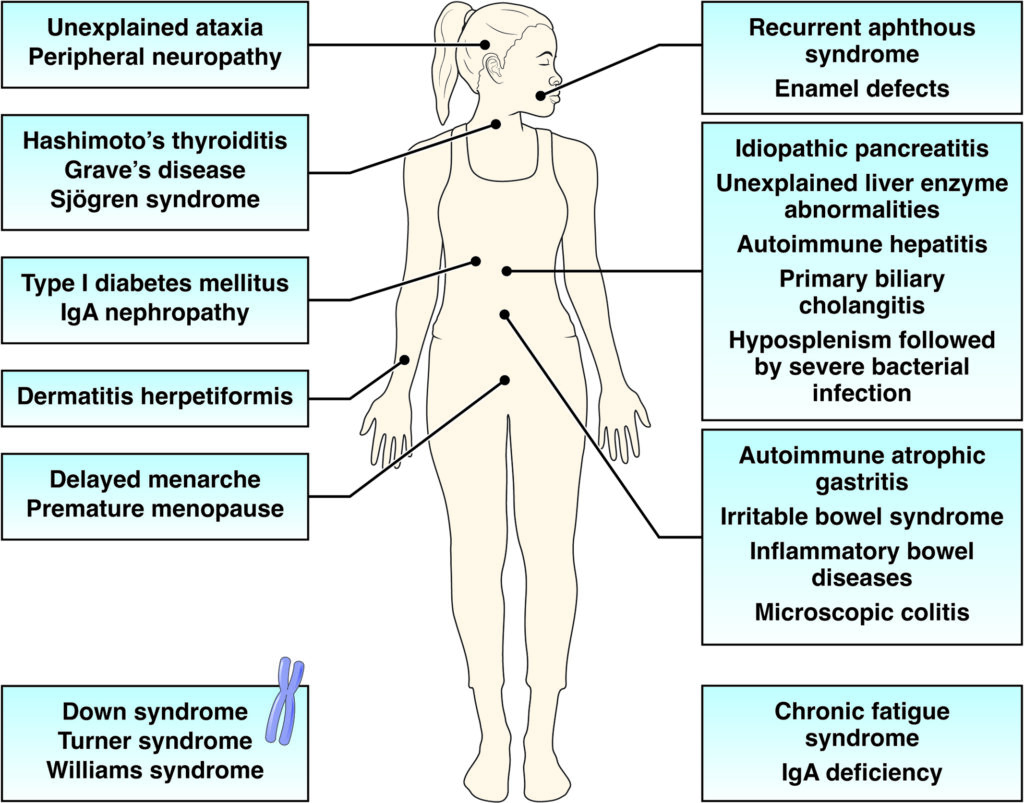
If you’ve been diagnosed with a condition related to celiac disease or have other risk factors, does that mean you should be tested for celiac disease?
Trust Your Gut
Low-FODMAP diet
A low-FODMAP diet is low in a group of 5 sugars found in certain foods that can cause bloating, stomach pain, nausea, diarrhea, and constipation.
Irritable bowel syndrome (IBS)

Irritable bowel syndrome (IBS) is one of the common disorders of the large intestine. IBS symptoms can include stomach pain, diarrhea, stomach bloating, constipation and cramping.
Diverticulitis

Diverticulitis is when pockets form in the colon wall and become infected or swollen causing pain, cramping, diarrhea, constipation or fever.