
Eosinophilic esophagitis (EoE)

Eosinophilic esophagitis (EoE) is when white blood cells build up in the esophagus and may result in trouble swallowing, heartburn and reflux.
Gallstones

Gallstones are parts of the bile stored in the gallbladder, such as cholesterol and bilirubin, hardened into solid matter. Symptoms can be pain in the upper abdomen, vomiting and sweating.
Gastroparesis

Gastroparesis or delayed gastric emptying is when the stomach has trouble clearing out its contents, possibly due to issues with the stomach muscles, nerves, or brain and spinal cord nerves.
Dyspepsia
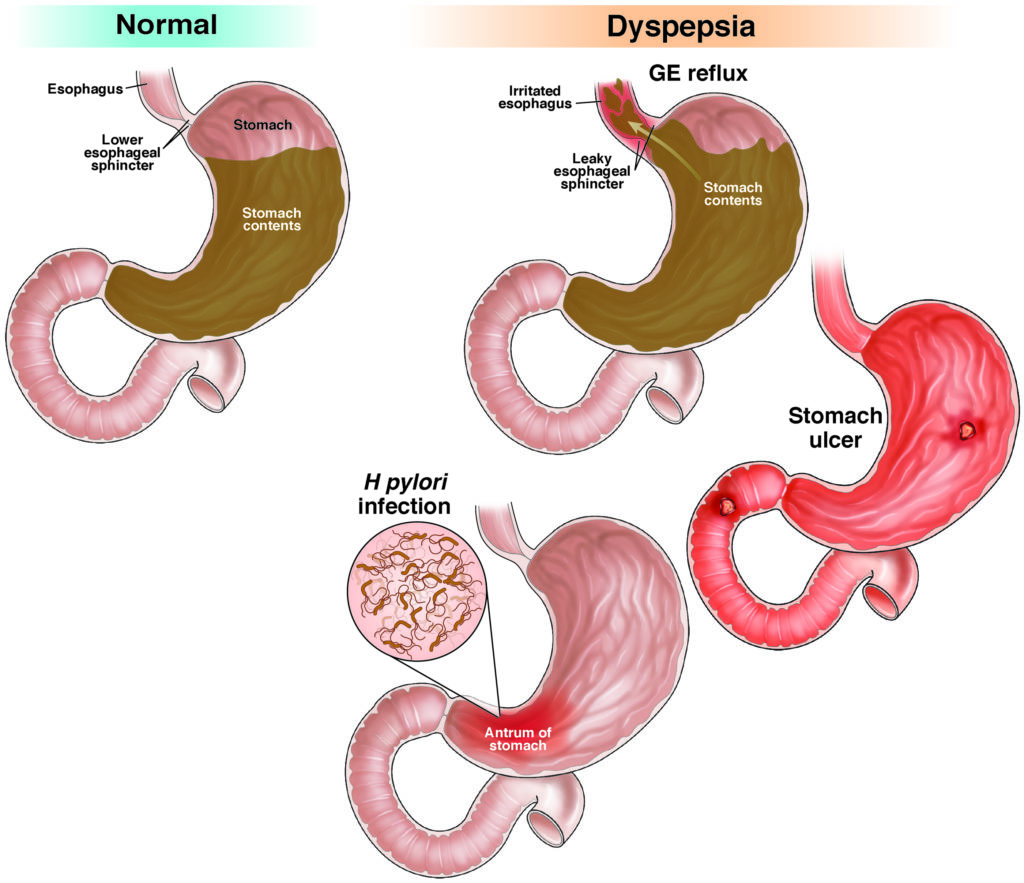
Dyspepsia, or indigestion, may cause upper abdominal pain, burning or heat, and the stomach feeling full during or after eating.
C. diff infection: Symptoms, causes, treatment, & prevention

Learn about C. diff infection, including symptoms, causes, risk factors, testing, treatment options, and ways to prevent recurrence.
Diverticulitis

Diverticulitis is when pockets form in the colon wall and become infected or swollen causing pain, cramping, diarrhea, constipation or fever.
Diarrhea
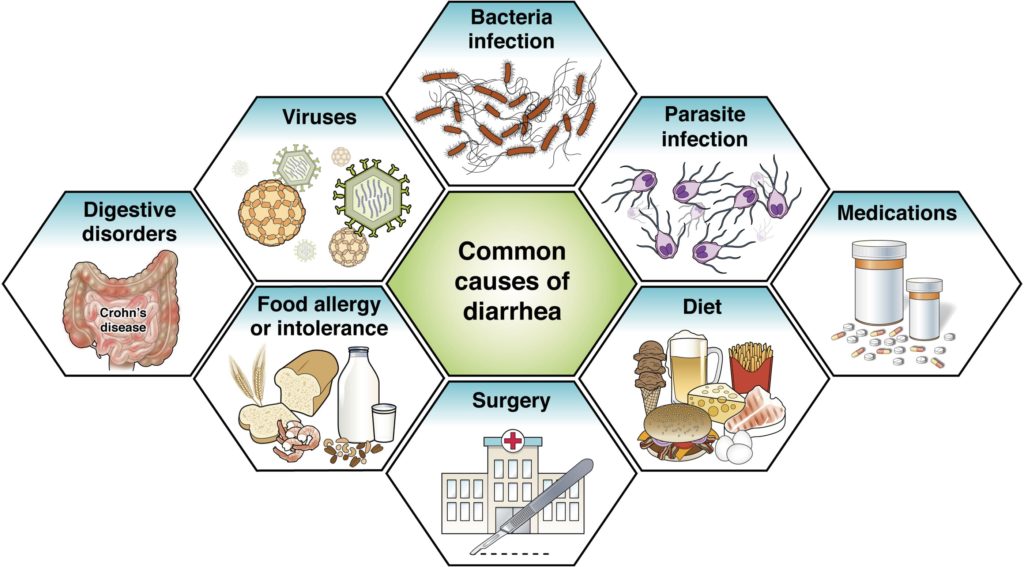
Diarrhea happens when you have watery, loose stools three or more times a day.
Celiac disease: Symptoms, gluten‑free diet, & treatment
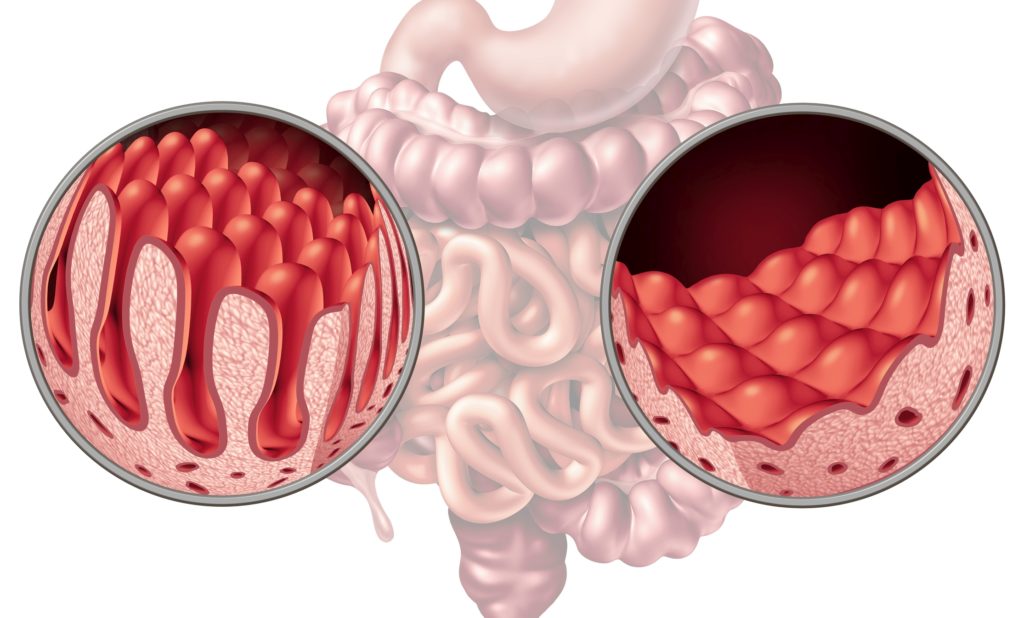
Celiac disease is when a person can’t eat gluten. Some symptoms are gas, stomach bloating and pain, diarrhea and constipation.
Diabetic gastroparesis

Gastroparesis, or delayed gastric emptying, is when your stomach has trouble clearing out its contents because of damaged stomach muscles. Diabetes is the most frequently identified disease linked to gastroparesis.
Colorectal cancer (CRC)

Colorectal cancer is the third most common cancer among men and among women in the U.S. It occurs when precancerous polyps in the colon or in the rectum become cancerous. Signs may include rectal bleeding, blood in the stool or change in bowel movements.