
What Is SIBO? Symptoms, causes, diagnosis, and treatment

SIBO happens when too many bacteria grow in the small intestine. Common symptoms include bloating, gas, nausea, and diarrhea. Treatment may include antibiotics, dietary therapy, and addressing the underlying digestive conditions.
H. pylori (Helicobacter pylori): Testing, treatment, and protecting your stomach

Learn about H. pylori, a common stomach infection that can cause ulcers and increase the risk of stomach cancer. Find out how it is diagnosed, treated, and monitored after therapy.
Achalasia: Understanding symptoms, diagnosis, and treatment
Achalasia is a swallowing disorder that occurs when the esophagus and lower esophageal sphincter do not work properly. Learn about symptoms, testing, treatment options and diet changes that can help.
Intestinal methanogen overgrowth (IMO): Symptoms, testing, and treatment
Learn what intestinal methanogen overgrowth (IMO) is, how it differs from SIBO, and how doctors test for and treat symptoms such as constipation, bloating, gas, and belly pain.
The gut microbiome: What it is and how to take care of it
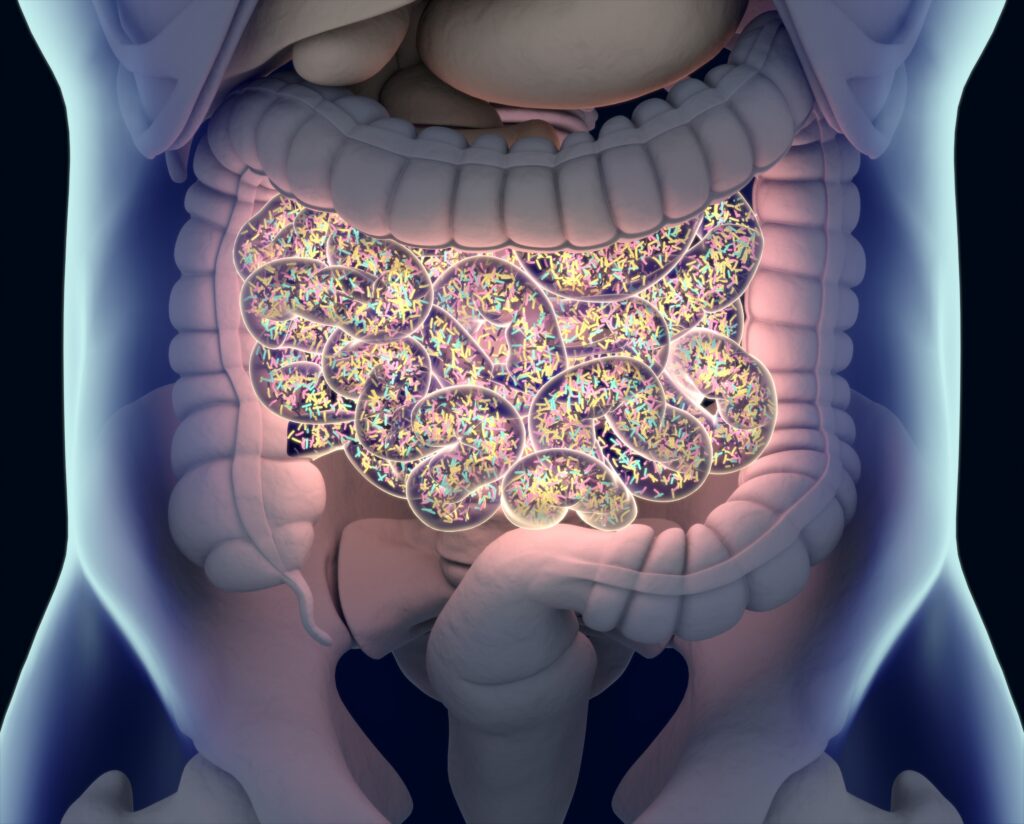
Your gut microbiome is made up of trillions of microbes living in your digestive tract. It plays a bigger role in your day-to-day health than most people realize — and there are simple, everyday habits that help keep it healthy.
How antibiotics affect your gut health: What patients need to know

Antibiotics help treat bacterial infections and save lives. They can also affect the healthy bacteria in your gut. Learn what that means and how to take care of your gut during and after treatment.
Belching, bloating, and abdominal distention: What you need to know
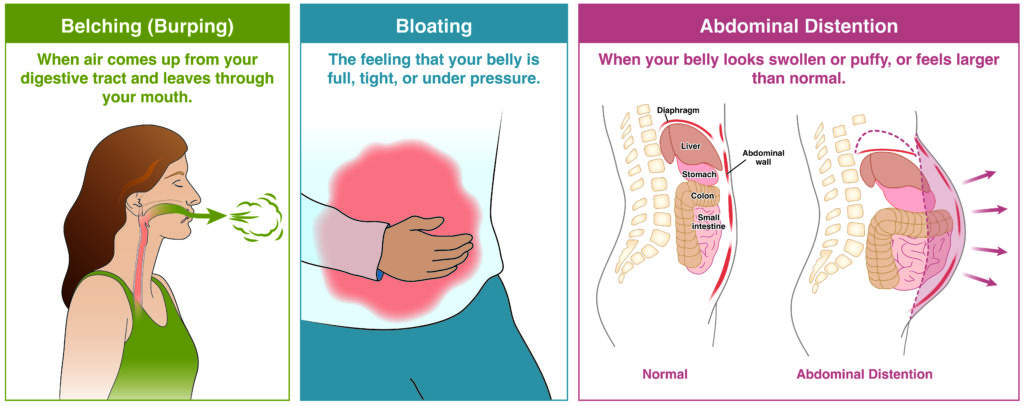
Belching, bloating, and a swollen belly are common digestive symptoms. Learn what causes these symptoms, when to talk with your health care provider, and what treatments may help.
hEDS, POTS, and digestive symptoms: Understanding the connection

Digestive symptoms are common in people with hypermobile Ehlers-Danlos syndrome (hEDS). Learn about the connection between hEDS, POTS, MCAS, and symptoms such as bloating, nausea, constipation, diarrhea, reflux, and abdominal pain.
C. diff infection: What patients with IBD should know

People with IBD are at higher risk of getting Clostridioides difficile, or C. diff, than people without IBD, which can trigger flares or lead to hospitalization.
Rectal cancer in younger adults: Symptoms, risk, and screening

Rectal cancer is rising in adults under 50 but remains rare. Learn symptoms, risk factors, and when to talk to your doctor or consider screening.