Clinical trials: Should I participate?
How to make an informed
decision about whether or not
to join a clinical trial.
Barrett’s esophagus: Understanding surveillance guidelines
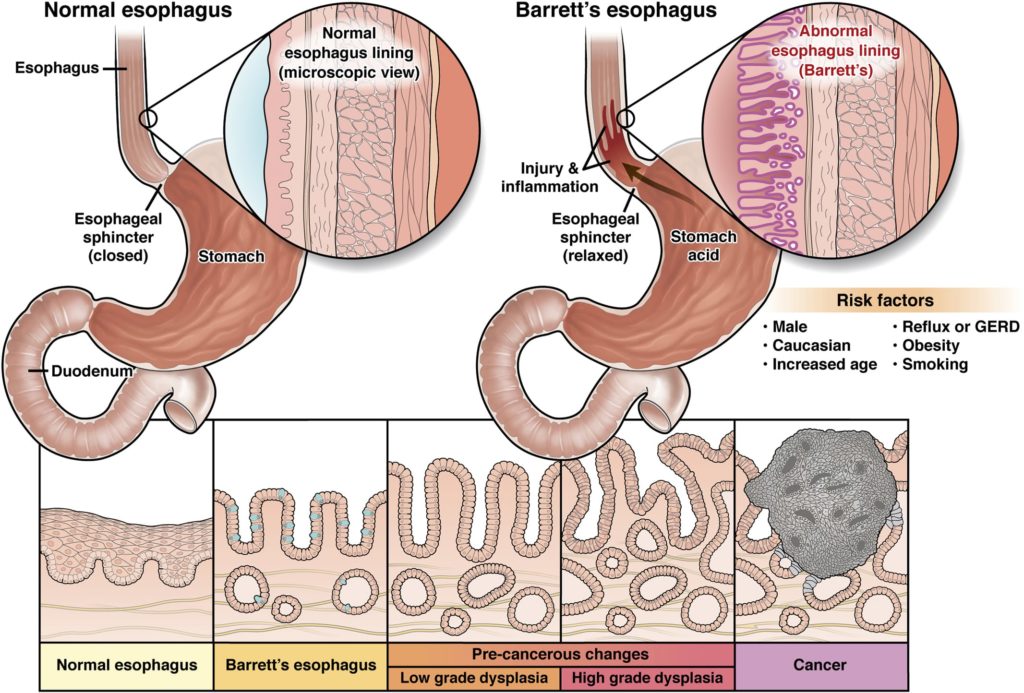
Barrett’s esophagus is when the cells lining the esophagus — the tube connecting the mouth to the stomach — change into the cells lining the intestine. The test for Barrett’s is an endoscopy.
C. diff infection: Cleaning to prevent spreading

Clostridioides difficile, or C. diff, is a bacterium that can cause gastrointestinal symptoms. C. diff is very contagious. Washing your hands is the best way to stop the spread.
Gluten-free diet: Managing in school
A 504 plan can help children with celiac disease on a gluten-free diet participate more safely in school and school-related activities.
Gluten: Preventing cross-contact
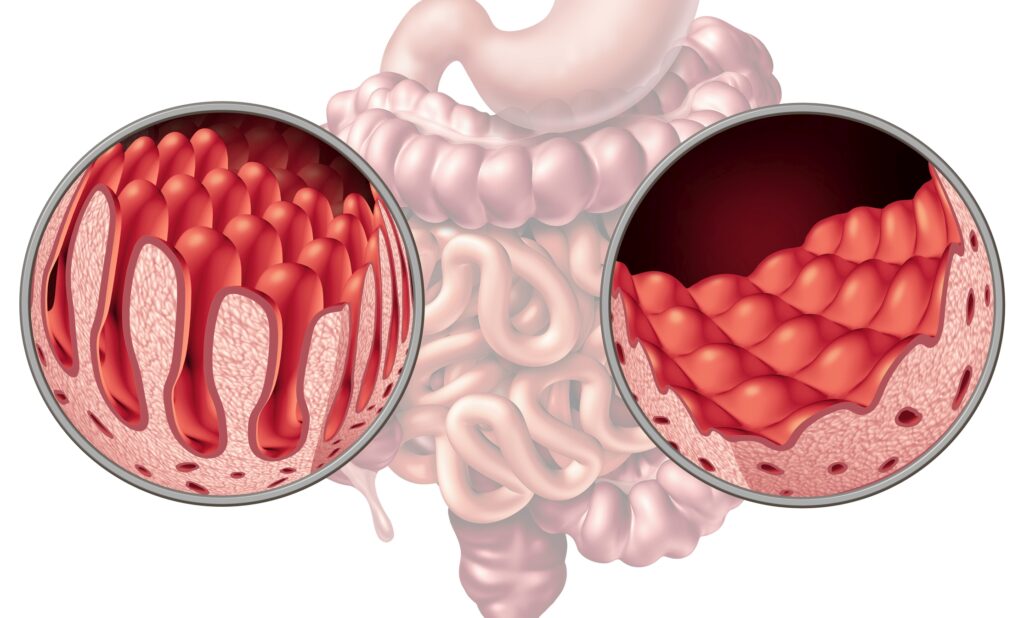
When you have celiac disease, it is important to avoid cross-contact with gluten in food while at home and dining out.
Gluten-free diet: Dining out and traveling

For people with celiac disease, it is essential to avoid gluten in foods and beverages even while dining out and traveling.
Short bowel syndrome (SBS): Spicing up your diet
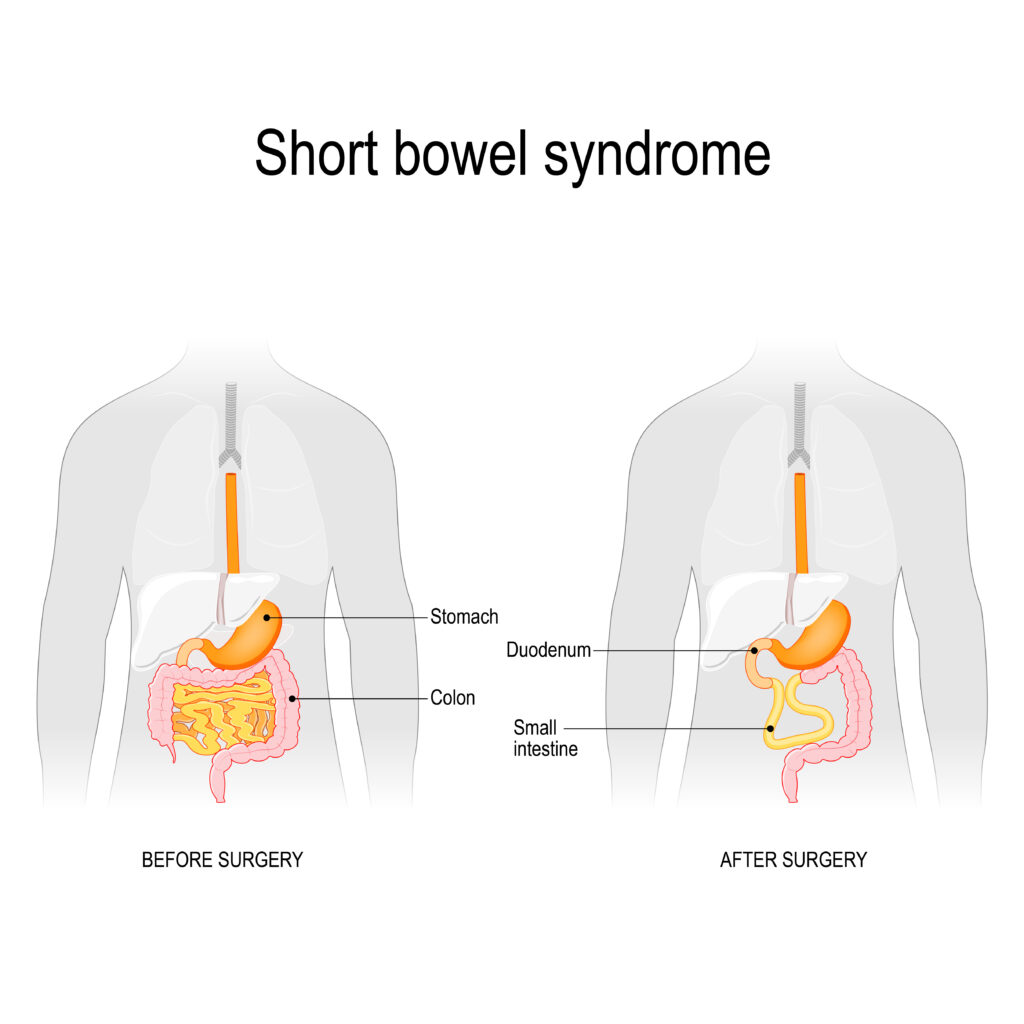
Food and beverages can impact short bowel syndrome (SBS) symptoms, but adding herbs and spices can help you enjoy your food.
Inflammatory bowel disease (IBD): Using nutrition to improve recovery

Proper nutrition for patients with inflammatory bowel disease before and after surgery can help improve recovery.
Inflammatory bowel disease (IBD): Staying hydrated
Taking in enough fluids is important for patients with inflammatory bowel disease, or IBD, who are especially at risk for dehydration.
Small intestinal bacterial overgrowth (SIBO): Managing with diet

Having more bacteria than usual in your small intestine can cause uncomfortable symptoms like gas. Managing your diet can help.