
Inflammatory bowel disease (IBD): What you need to know about hospitalization

Hospitalization for IBD is not common, but sometimes needed when symptoms get very severe, complications arise, or there are nutritional concerns.
Esófago de Barrett
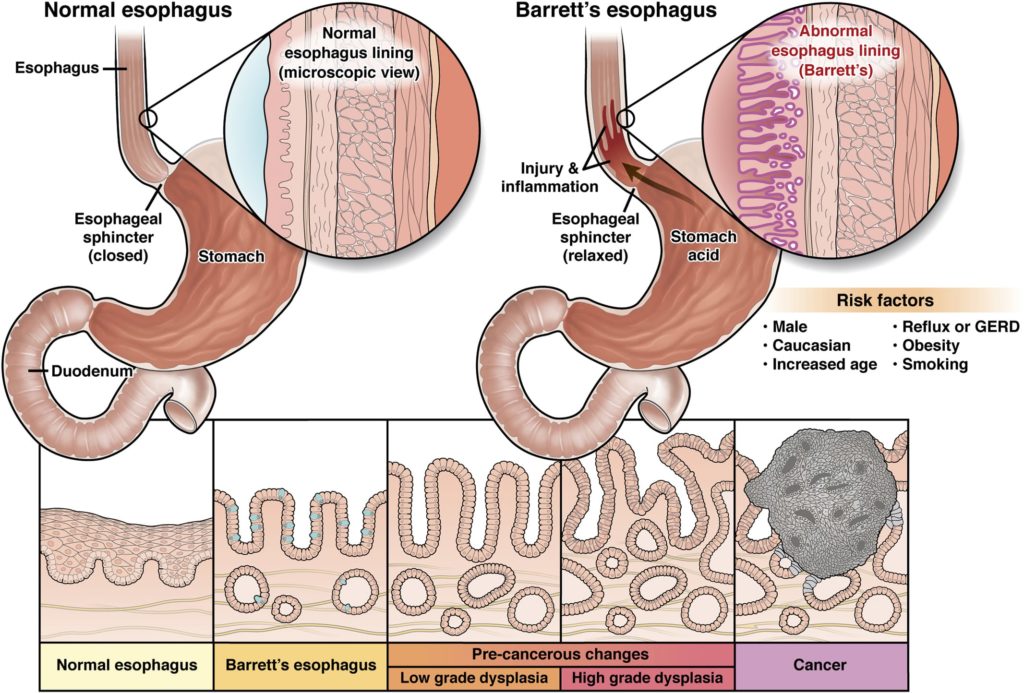
El esófago de Barrett se produce cuando las células que recubren el esófago — el tubo que conecta la boca con el estómago — se transforman en las células que recubren el intestino.
Hemorroides

Las hemorroides son venas hinchadas alrededor del ano. La hinchazón puede ser causada por esforzarse para defecar, sentarse demasiado tiempo en el inodoro u otras causas, como embarazo, obesidad o enfermedad hepática.
Colonic transit testing

Colonic transit testing helps diagnose slow-transit constipation or other conditions that affect bowel movements.
Anorectal manometry with balloon expulsion test
Anorectal manometry with balloon expulsion test is often done to understand why you may have constipation or difficulty with bowel movements.
Constipation: Refractory
Constipation is when you have infrequent or hard-to-pass bowel movements, have hard stools, or feel like your bowel movements are incomplete.
Biosimilars: Glossary
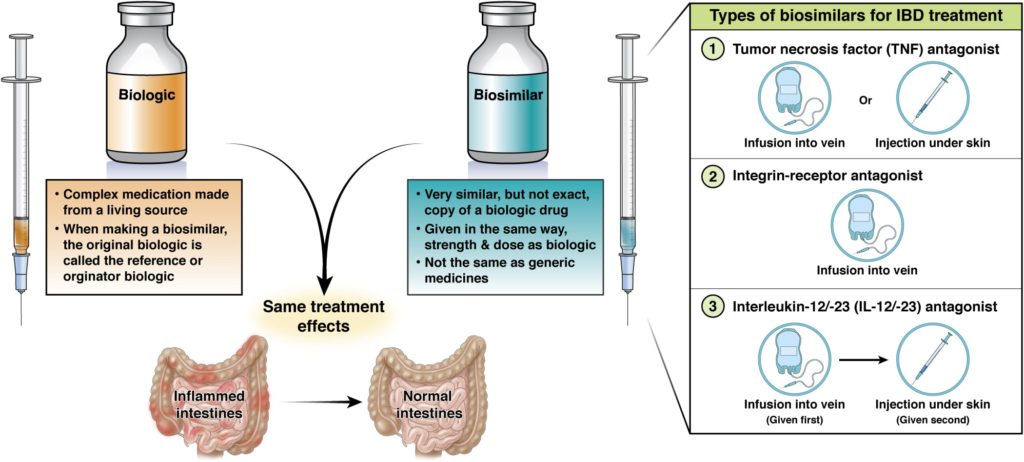
When talking to your gastroenterologist about how biologics and biosimilars work, you may have questions about what some of the words mean.
Biosimilars: Frequently asked questions

Biosimilars are a type of biologic. Biologics and biosimilars can help patients with moderate to severe IBD.
Clinical trials: Should I participate?
How to make an informed
decision about whether or not
to join a clinical trial.
Barrett’s esophagus: Understanding surveillance guidelines
Barrett’s esophagus is when the cells lining the esophagus — the tube connecting the mouth to the stomach — change into the cells lining the intestine. The test for Barrett’s is an endoscopy.