
Inflammatory bowel disease (IBD): What you need to know about hospitalization

Hospitalization for IBD is not common, but sometimes needed when symptoms get very severe, complications arise, or there are nutritional concerns.
Anorectal manometry with balloon expulsion test

Anorectal manometry with balloon expulsion test is often done to understand why you may have constipation or difficulty with bowel movements.
Biosimilars: Glossary
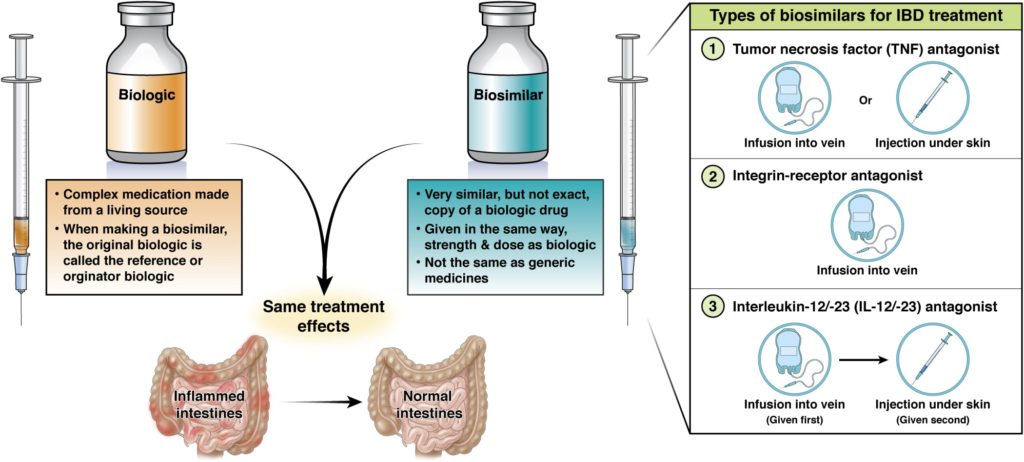
When talking to your gastroenterologist about how biologics and biosimilars work, you may have questions about what some of the words mean.
Biosimilars: Frequently asked questions

Biosimilars are a type of biologic. Biologics and biosimilars can help patients with moderate to severe IBD.
Inflammatory bowel disease (IBD): Understanding clinical research trials
Learn more about what to expect in an IBD clinical trial.
Short bowel syndrome (SBS): Spicing up your diet
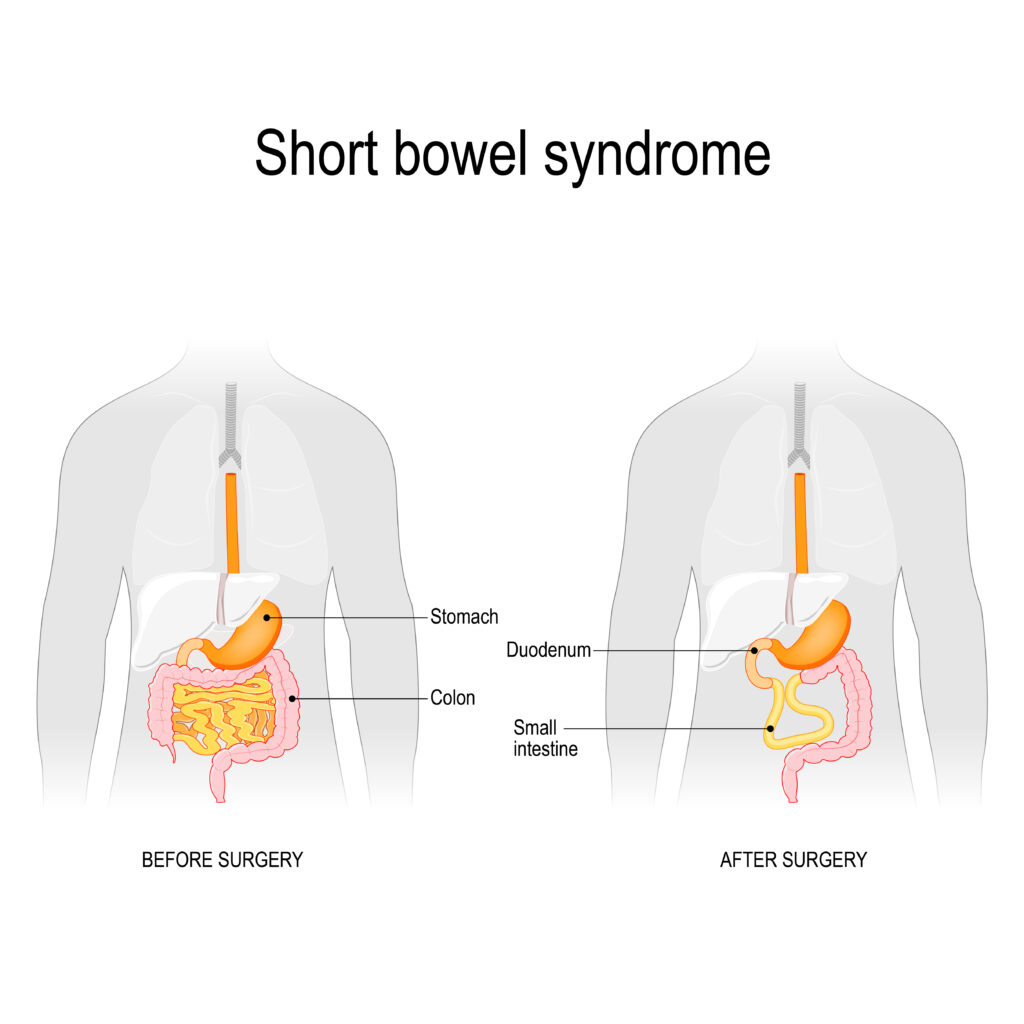
Food and beverages can impact short bowel syndrome (SBS) symptoms, but adding herbs and spices can help you enjoy your food.
Inflammatory bowel disease (IBD): Using nutrition to improve recovery

Proper nutrition for patients with inflammatory bowel disease before and after surgery can help improve recovery.
Inflammatory bowel disease (IBD): Staying hydrated
Taking in enough fluids is important for patients with inflammatory bowel disease, or IBD, who are especially at risk for dehydration.
Iron in GI conditions
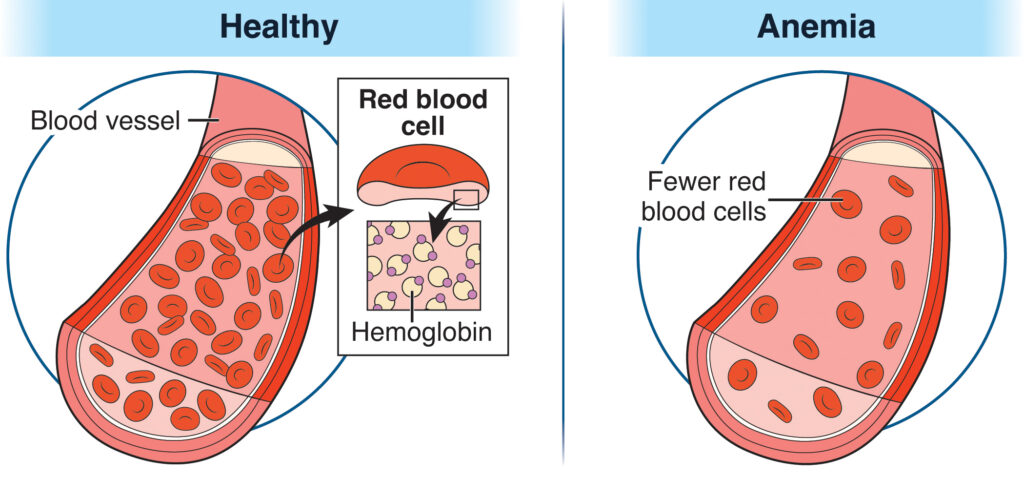
A normal iron level is important to make healthy red blood cells and to help support your quality of life with digestive conditions.
Ostomy
An ostomy is an opening in your stomach that is made by surgery to let solid or liquid waste leave your body.